From Field to Market: Building Stronger Food Systems Across Rural Minnesota
Samantha Erkkila, Content Manager
September 24, 2026
Updated:
September 25, 2026
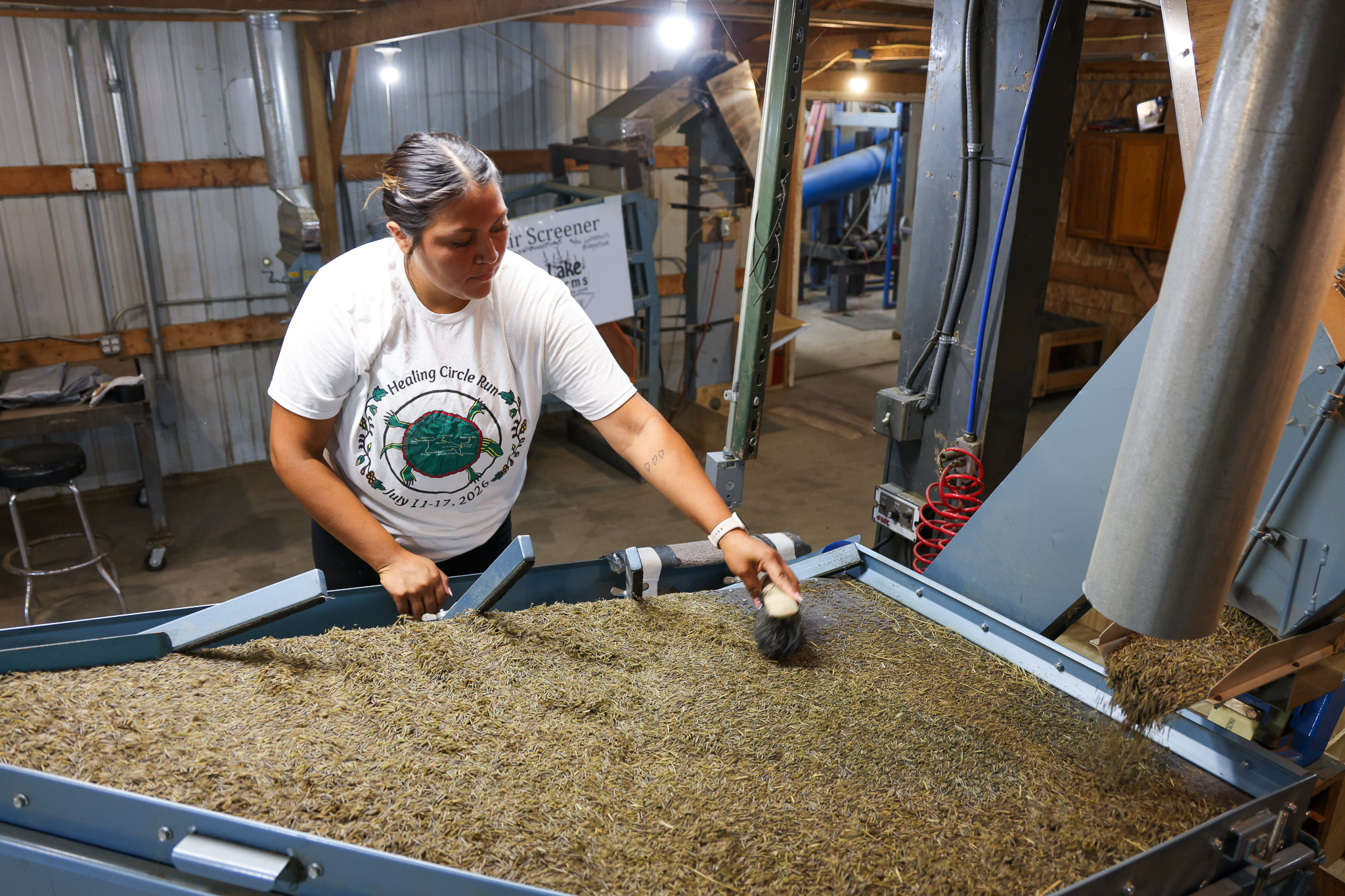
Kayla Jackson sorts a fresh batch of wild rice on the gravity table at Spirit Lake Native Farms in Sawyer, Minnesota. (Entrepreneur Fund)
In spring of 2026, the Entrepreneur Fund (EFund), with support from the Wells Fargo Foundation, announced 26 recipients of the Rural Field to Market Grant, a one-time funding opportunity designed to strengthen small- to mid-size farm and food businesses across EFund’s Minnesota service area.
As we enter the harvest season, the $450,000 awarded through the program is already helping recipients increase revenue, strengthen long-term viability, expand local sourcing, and access new markets. Among the 26 recipients, 19 expect annual revenue increases of 10% to 40%, and nine anticipate creating a combined 13 new jobs.
For businesses like Spirit Lake Native Farms, the funding has provided critical infrastructure that supports both business growth and their broader mission.
Spirit Lake Native Farms – Carlton County
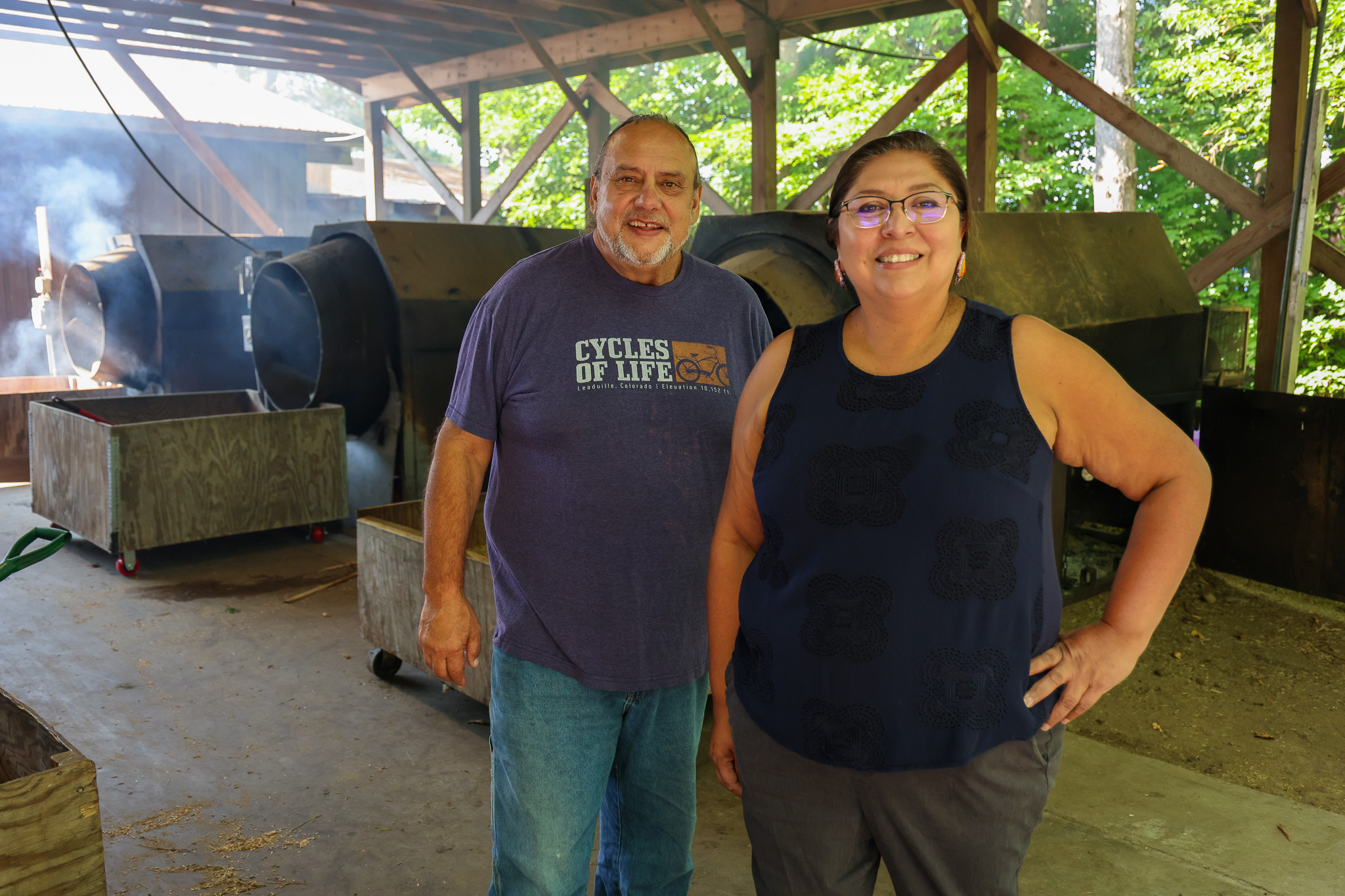
For Bruce Savage and Tawny Smith-Savage, Spirit Lake Native Farms is about more than producing maple syrup and wild rice. It's about preserving traditional foods and ensuring future generations have access to them.
Since purchasing land off Spirit Lake Road in Sawyer, Minnesota, in 1999, the couple has steadily built the infrastructure needed to harvest, process, and distribute maple syrup and wild rice sourced from local lakes and rivers.
“I’ve been finishing rice since I was 16 years old,” said Bruce, Tribal Chairman of the Fond du Lac Band of Lake Superior Chippewa. “There isn't a whole lot of funding available for lake and river wild rice. I had to wait until adulthood and invest my own off-farm income to build all of this.”
Today, “all of this” includes a 20-acre sugar bush, a wood-fired parching and wild rice finishing facility, and a recently constructed storage building. While the additional space improved operations, a Rural Field to Market Grant made the building fully functional by funding a boiler system that creates a temperature-controlled storage environment, helping protect product quality and support growing inventory.
Bruce said maintaining consistent storage conditions is critical to delivering the highest quality product.
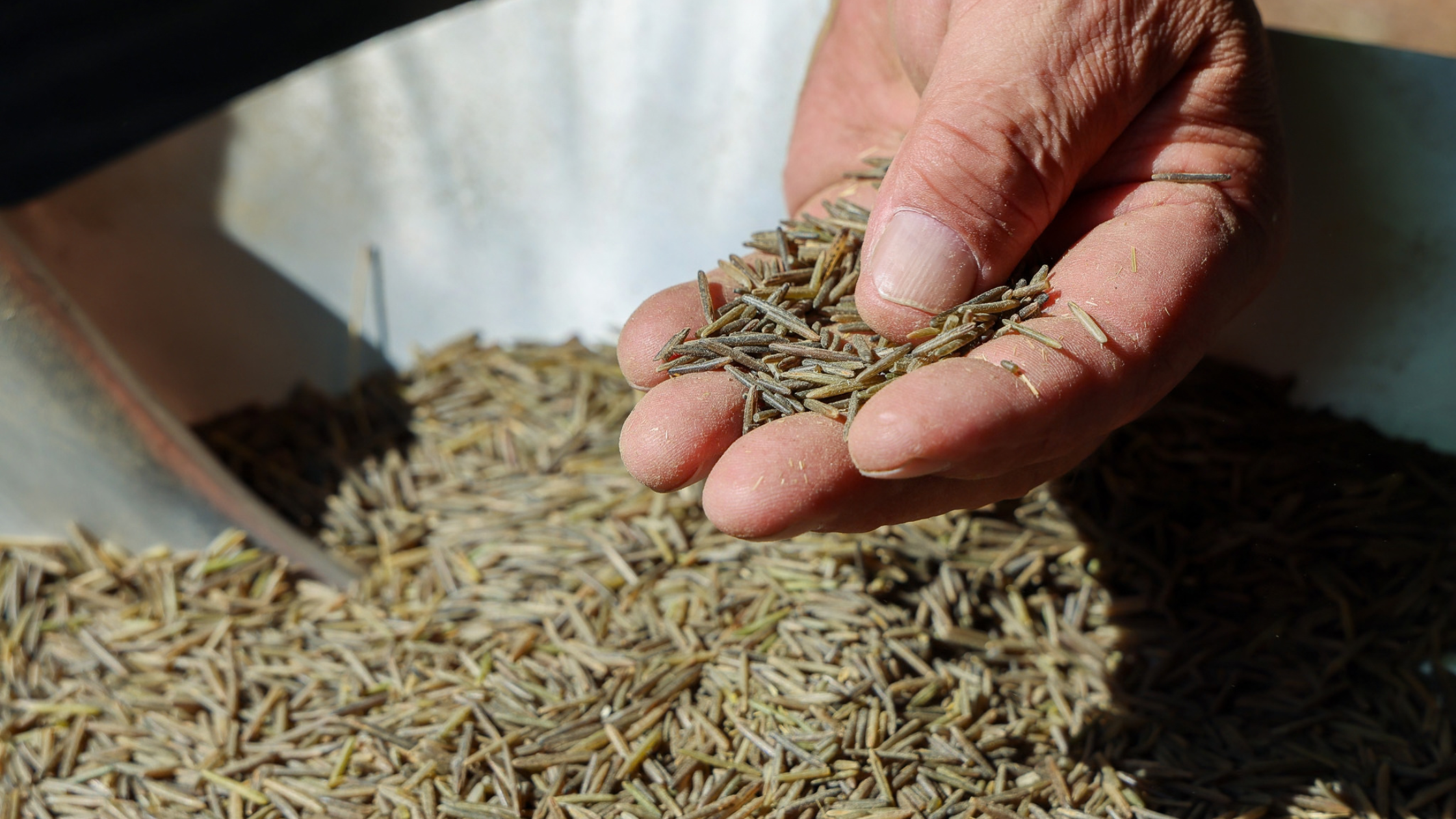
“Look at how good this rice looks,” he said, holding up a handful of freshly finished wild rice. “We want to make sure this is the quality everyone is getting.”
The investment is expected to generate an additional $50,000 in annual revenue and support the creation of one new full-time job. More importantly, Bruce and Tawny see it as an investment in long-term food sovereignty.
From the beginning, their goal has been to make traditional foods more accessible within the Ojibwe community.
“Because we work directly with local harvesters, we're able to bring traditional foods to the table at a reasonable cost,” said Tawny Smith-Savage. “We want people to have not only the knowledge to build a food system around traditional foods, but access to those foods as well.”
The couple sees food sovereignty as both a cultural and economic priority, especially as climate conditions and supply chain disruptions continue to affect food systems. Experiences during the COVID-19 pandemic reinforced the importance of strengthening local food infrastructure and keeping traditional food practices alive for future generations.
“We have to adapt to these changes,” said Tawny. “Every year we're hopeful and optimistic for a good harvest, but we're going to work just as hard for the product no matter what. We always want to keep it going, and that’s why we have our young people learning the operation.”
.png)
A Snapshot of Additional Grant Impacts
Treeline Acres Farm & Nursery - Crow Wing County
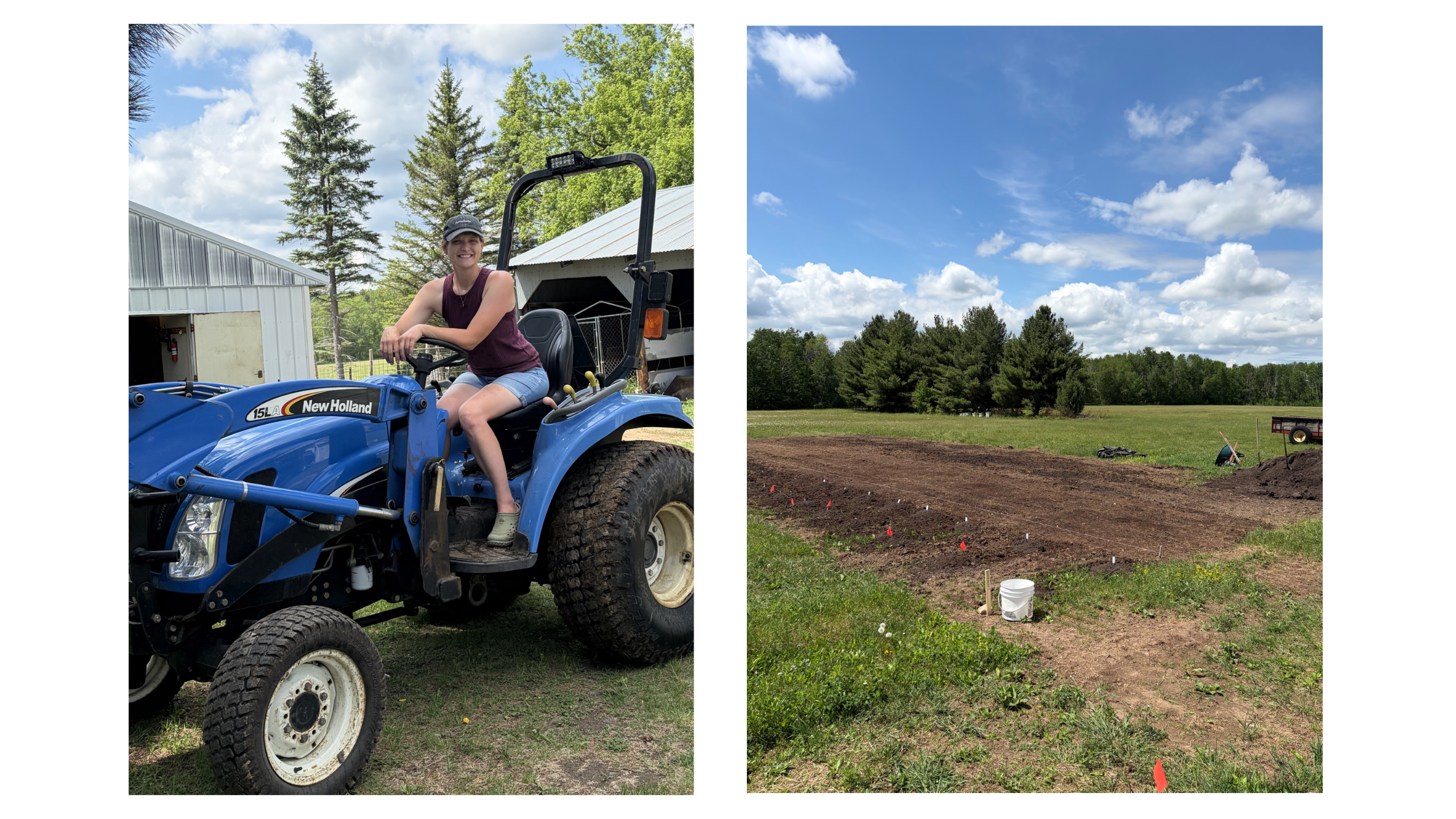
After expanding her farm offerings to include annual and perennial flowers, vegetable starts, and garden gifts, Candice Zimmerman set her sights on growing her Community Supported Agriculture (CSA) program. Increased production would help her meet rising customer demand while bringing more fresh, locally grown produce to market.
The Rural Field to Market Grant funded equipment upgrades that Candice says have been transformative for her Brainerd-area farm.
With the purchase of a New Holland utility tractor and tiller, the farm was able to double its growing area, creating the capacity needed to expand CSA production. The equipment significantly improved field preparation and planting efficiency, ensuring the expanded acreage was ready in time for the growing season despite challenging weather conditions.
While unpredictable weather impacted production this year, Candice said the farm was still able to increase the number of CSA shares offered and projects a 10% increase in overall production. She hopes to achieve a 50% increase next season as the expanded growing area reaches its full potential. Beyond supporting immediate growth, the tractor and tiller have strengthened the farm’s long-term sustainability by enabling additional infrastructure improvements, including fencing to protect crops from deer. The tractor will continue to provide value for years to come as the farm invests in additional attachments to support future expansion, helping increase local food production and improve access to fresh, locally grown produce in the region.
Sapsucker Farms – Kanabec County
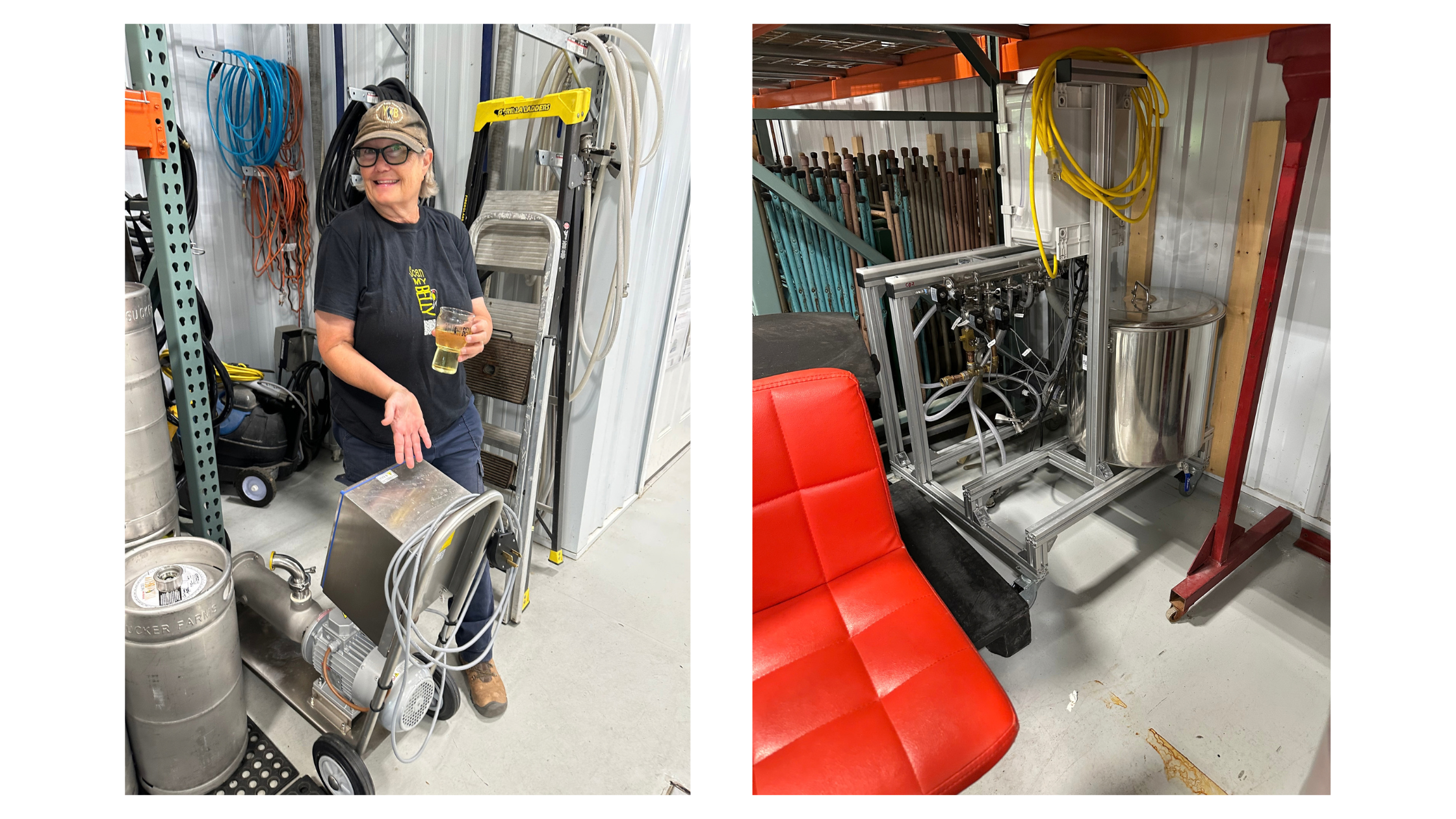
As demand for its cider continued to grow, Jim and Debbie Morrison, owners of Sapsucker Farms in Mora, MN, were looking for ways to improve efficiency and keep pace with distributor orders. Through EFund's Rural Field to Market Grant, they purchased a new keg washer and pump to strengthen and expand their production operations.
The equipment has had an immediate impact on productivity. The keg washer allows kegs to be cleaned and returned to service much faster, while the pump streamlines the transfer of cider between tanks. Together, these upgrades have helped the business produce, package, and distribute its products more efficiently.
Most importantly, the improvements have reduced bottlenecks that previously limited Sapsucker Farms' ability to fulfill distributor orders on time. By increasing operational efficiency and speeding up turnaround times, the grant-funded equipment has helped the Morrison's capture sales opportunities, better serve customers, and position themselves for future growth.
.png)